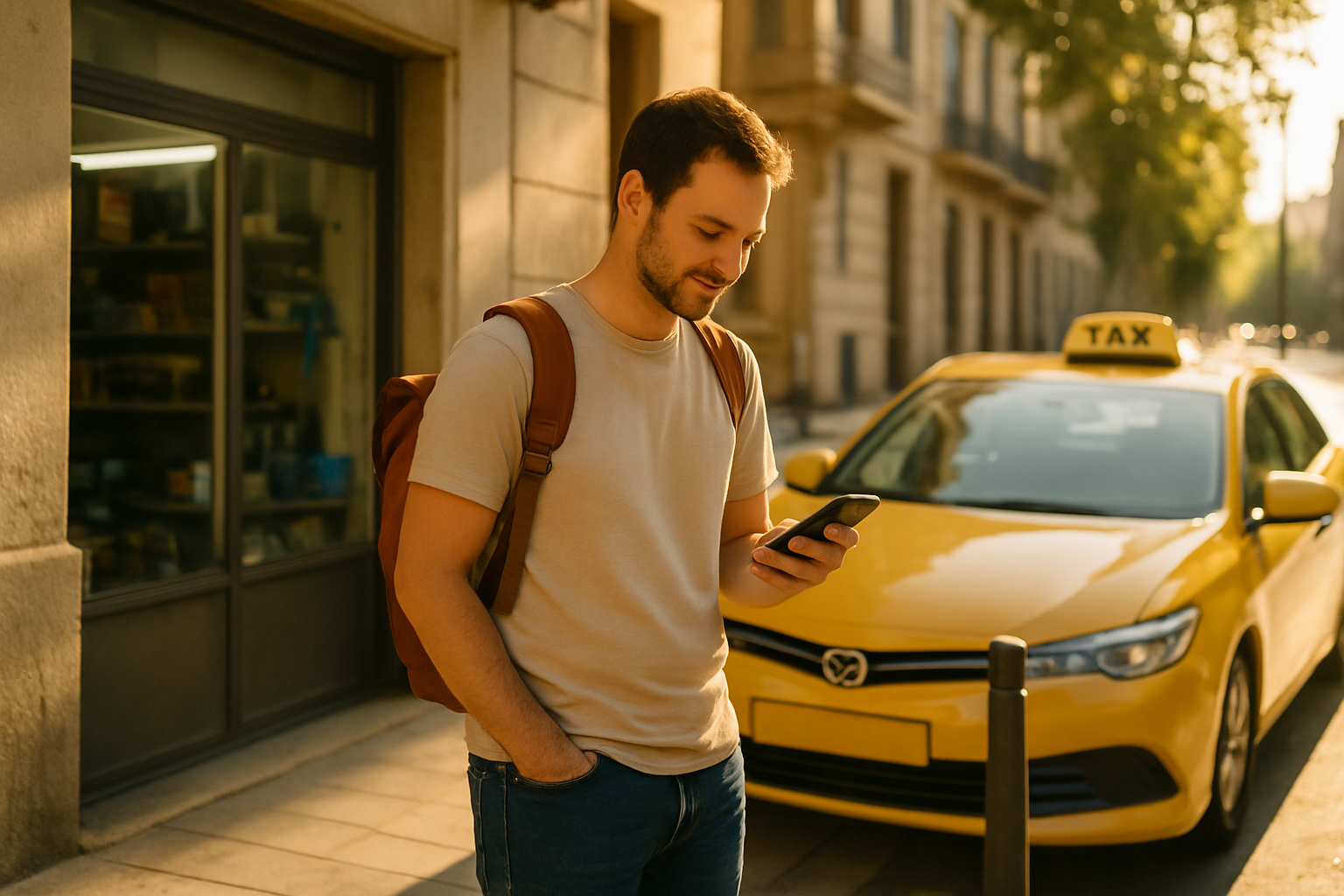
Yes, travel insurance can cover a phone stolen in a taxi, but it is not automatic. A successful claim depends on how your policy defines theft, whether you met the policy conditions (for example carrying the phone on your person), the evidence you can produce and how promptly you report the loss.
What your policy actually covers
Policies use a handful of legal terms that change the outcome of a claim. Two you must understand are your policy's definition of "personal possessions" and the wording that governs "valuables". A phone is usually classed as a valuable, and valuables often have tighter rules and lower limits than general luggage.
Three specific clauses matter most: what the insurer calls theft, where the phone was when it was taken, and whether the policy contains a single-item limit. "Theft" typically means someone intentionally and unlawfully removed the item. If the phone was left somewhere or taken by someone you were travelling with, the wording can be different.
Another frequent distinction is new-for-old replacement versus indemnity or market-value settlement. Some policies promise to replace the stolen item with a new equivalent; others pay what the item is worth now, allowing for depreciation. The only way to know which applies is to read the policy wording under the sections often titled "personal possessions", "baggage" or "valuables".
Immediate steps to take if your phone is stolen in a taxi
- Call the emergency number for the local police and report the theft. Get a crime reference or incident number - insurers will ask for it.
- Contact the taxi company or the rideshare app as soon as possible. Ask for the driver's name, licence or badge number and, if applicable, a trip receipt or booking reference.
- Block the SIM and ask your mobile provider to blacklist the phone using its IMEI (the unique device identifier). Keep any confirmation emails or reference numbers.
- Log in to any device-management or cloud account and use remote-wipe or locate features. Take screenshots showing the device last seen or wiped.
- Record what happened in writing while it is fresh: time, place, what you were doing, and the names of any witnesses.
- Contact your insurer's emergency helpline to notify them and ask what documents they will require for a claim.
Do these things even if you do not intend to claim immediately. Insurers are strict about prompt reporting; a delay that looks avoidable gives them grounds to refuse a claim.
Evidence insurers will ask for
When you make a theft claim you will be asked to prove ownership, loss and the circumstances. Expect to be asked for the following documents or records. Keep copies - originals can be scanned or photographed.
- Police report or crime reference number. If the local force issues a written report, submit it.
- Proof of purchase, such as a receipt or a bank statement showing the purchase. If you don't have the original, a mobile phone contract or provider invoice helps.
- Device identifiers: IMEI or serial number. If you don't know it, it is sometimes on the original box, your phone bill, the provider's website or the device settings before it went missing.
- Evidence you were carrying the device on your person, if the policy requires it. This could be a taxi receipt showing you were the passenger, witness statements, CCTV references or timestamped photos you took earlier.
- Confirmation from the mobile operator that the SIM was blocked or the device blacklisted.
- Receipts for any emergency purchases you make while waiting for a replacement, if you plan to claim those costs.
Insurers will also compare your account of events with any third-party records. If there is an app booking, that log is very helpful because it proves the journey and driver details. Without records, your claim becomes harder to substantiate.
Common exclusions that block claims
Claims are commonly declined for reasons that are avoidable if you know them in advance. One of the most frequent is "unattended property". Many policies exclude theft of valuables left unattended in a public place or inside a vehicle unless they were stored in a locked boot or kept out of sight and you can prove it met the policy's definition of secure storage.
Other common pitfalls include:
- Not reporting the theft to the police promptly or failing to get a crime reference.
- Not providing proof of ownership or the device identifier.
- Claims linked to recklessness, for example leaving the phone on the taxi seat when you left the vehicle or falling asleep and leaving it unprotected. Check the policy wording on what counts as negligence.
- Theft by someone you were travelling with. Policies sometimes exclude dishonest acts by companions, friends or family.
- Items taken by a person acting on behalf of the provider, such as a driver, where the insurer treats the loss as an operational dispute rather than theft. Some policies specify cover when personal possessions are stolen from a vehicle, but not when taken by a hired driver or employee.
These exclusions vary widely. If an exclusion is important to you, look for its exact wording in the policy document before you travel.
What if the driver stole it? The tricky middle ground
A theft by the driver creates practical and proof challenges. If the driver took your phone, there are three records that change the balance: a booking or trip record linking you to that driver, witness statements or CCTV, and any admission or contact from the taxi company when you report the incident to them.
Even with those records, an insurer will scrutinise whether the loss was avoidable. They will ask why the phone was in an accessible place, whether you left the vehicle briefly with the phone unattended, and whether the loss was reported to the driver and the company at the time. Your claim is stronger if you contacted the company immediately and they provided a written response or a booking number that confirms the driver and time.
What can go wrong with a claim, and how to stop it
People make three repeated errors that weaken claims: they fail to report quickly, they lose or never had purchase proof, and they provide inconsistent statements. Avoid all three.
Be precise in your account. If you tell the police you left the phone on the back seat, then later say you put it in your pocket, insurers will spot the contradiction and it will delay or derail the claim. Take time to make an accurate, contemporaneous written note of events as soon as you can.
If you lack a receipt, there are still constructive steps. Gather bank statements that show the purchase pattern, screenshots from the device's cloud account showing backups or device details, and any correspondence with the seller or mobile provider. The more documentary trails you can produce, the better.
A realistic worked example you can map to your situation
Say you are travelling alone in a European city. You get into a licensed taxi after dinner. When you reach your hotel you step out and pay. The driver either pockets your phone or it falls from your pocket and you do not notice until you are back in your room.
Start like this: return to the taxi rank and ask whether the driver is still there. If you cannot, call the taxi company and give the time and vehicle description. Make a police report immediately. If the journey was booked through an app, download the trip receipt. Ask your mobile provider to block the SIM and supply a block reference. Take screenshots of your cloud backups showing the last sync. Contact your insurer and tell them you intend to claim; ask for the claim form and exact document list.
If the insurer asks whether you had the phone on your person, give a precise, consistent answer about where you kept it and what you did when you left the taxi. If you did leave it on the seat, accept that the claim may be harder and prepare additional evidence: a witness statement from the hotel porter or CCTV reference numbers from the hotel or taxi rank.
There are two likely outcomes. If the taxi company confirms the driver returned the phone or the police recover it, you will need a recovery statement rather than a full theft claim. If the phone is not recovered and the insurer accepts liability, the settlement will follow the policy's basis of loss, which may be replacement cost or market value. If the insurer declines, use their formal complaints process and ask for a written explanation you can use in any appeal.
The fastest way to secure a replacement abroad
Your phone is more than a device; it is your maps, boarding passes, emergency numbers and bank apps. Getting a temporary replacement quickly reduces the disruption of a theft.
Follow this sequence when you need a usable phone within hours.
- Block the SIM and blacklist the IMEI. Without this, someone else could use the handset and run up costs on your account.
- Use your cloud backup to restore essential data such as contacts, passwords and boarding passes to a loan or borrowed phone. If you use two-factor authentication, have backup codes or an authentication app recovery ready.
- Buy a basic unlocked handset locally or rent one from a repair shop. A cheap, recent second-hand device will get you functioning for calls and apps.
- Buy a local prepaid SIM or get a temporary roaming SIM from your provider so you have mobile data and can receive verification texts.
- Keep all receipts. If your insurer covers emergency purchases or temporary replacements, you will need them for your claim.
If you are too far from shops, ask your hotel or hostel to help. Many hotels keep basic phones for guests in emergencies. If you book onward travel, keep digital copies of your boarding passes and any new phone numbers you use. Finally, change passwords for any apps or services tied to the stolen device.
Choosing the right policy before you travel
As a solo traveller you want cover that accepts the realities of moving on your own: you will sometimes be juggling luggage, a map or a drink while getting into and out of taxis. That makes the following features worth prioritising when you compare policies.
- Valuables cover and single-item limits: Make sure your phone falls under "valuables" cover and that the single-item limit is at least the purchase price. If it is not, consider a higher limit or a policy that treats phones separately.
- Theft from a vehicle wording: Look for explicit cover for theft from a hired taxi or public transport. If this is not clear, call the insurer and ask them to point you to the exact wording.
- New-for-old versus market-value: If you prefer a like-for-like replacement, seek new-for-old wording. If you only need partial reimbursement, market-value cover may be sufficient but it will reflect depreciation.
- Emergency replacement service: Some policies offer an emergency replacement device or cash advance to buy one. This feature is worth paying for if you want to avoid days without a working phone.
- Excess and claim limits: Compare the excess you must pay and whether it applies per claim or per person. A low excess reduces the chance your claim is uneconomical.
- Claims process and assistance: For a solo traveller, an insurer with a responsive 24/7 helpline and clear online claims portal saves time and stress. Read reviews or ask for the insurer's typical response times.
If you use a credit card that offers cover, check the limits, time windows and whether a phone counts as a covered item. For many people, a dedicated travel policy that specifically addresses valuables and theft from vehicles provides the clearest protection. When you want more background on policy options, start with an appropriate anchor phrase and then check the small print.
What to do if your claim is refused
A refusal is not the end of the road. First, ask the insurer for a full, written explanation of why the claim was declined and request the specific policy clauses they relied on. Compare their reasons with the documents you submitted and see whether the refusal was due to missing paperwork, a timing issue or an interpretation of the facts.
If the refusal is based on missing evidence that you can still get, gather it and ask the insurer to reopen the claim. If the refusal stands, use the insurer's complaints procedure and keep written records of every exchange. If that fails, you can seek external redress from the relevant consumer protection body in the insurer's jurisdiction. The precise route depends on where the insurer is based, so check the policy documents for complaints and dispute resolution information.
Frequently asked questions
Do I need a police report to make a claim?
Yes. Most insurers require a police report or crime reference number. If the local force does not issue written reports, obtain whatever reference they can give and note the time and officer's details; insurers will accept local variations provided you can prove you reported the theft promptly.
Will my insurer pay for a replacement phone immediately?
Some insurers offer an emergency replacement or a cash advance for essentials, but this is a policy feature, not a universal benefit. Check your policy for emergency assistance, and if you travel often, pick a plan that explicitly promises rapid replacement or interim funds.
Does it matter whether I took a taxi or used a rideshare app?
Yes. A rideshare booking produces a trip record with driver identity and pickup and drop-off times, which is useful evidence. For a traditional taxi, a company receipt or driver badge number helps. If you cannot produce any booking evidence, your claim is harder to prove but not necessarily impossible.
If my phone was insured under my home contents policy, does that cover a theft abroad?
Some home insurance policies extend cover to possessions taken abroad for a limited period, but terms and limits vary and valuables often have lower overseas cover. Check your home policy wording for foreign travel cover before you assume you are protected.
Can I claim if my phone was stolen but later recovered damaged?
If the police or taxi company recover your phone and it is damaged, inform your insurer. You may claim for repair costs or a replacement depending on the policy basis of settlement and whether the damage is covered. Keep recovery documentation and repair estimates to support the claim.